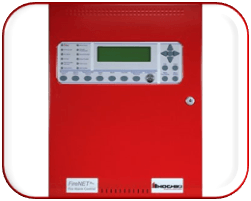
Control Panel: The Heart of the System
The Control Panel serves as the central command unit of the early fire alarm system. It is the brain that coordinates, processes, and responds to signals from all system components, ensuring timely detection and action in case of fire threats. Designed with modern technology and intelligent capabilities, the Control Panel ensures total system efficiency and reliability.
Importance of the Control Panel:
- Comprehensive Control: Offers full control over all alarm system components, from detection sensors to sounders and notification units.
- Data Analysis: Collects and analyzes environmental data from various devices to identify early signs of fire or abnormal changes.
- Effective Interaction: Provides users with clear alerts and an intuitive user interface for fast and accurate response.
Smart Technology:
- Advanced Integration: Easily integrates with other smart systems like mobile alerts, BMS (Building Management Systems), and IoT platforms.
- Real-Time Monitoring: Enables real-time surveillance and tracking of the system’s status to ensure immediate response when threats arise.
Security and Reliability:
- Durability: Designed to withstand challenging environments and harsh conditions without compromising performance.
- High Reliability: Engineered to operate consistently and accurately in critical moments, ensuring a trusted early warning system.
Conclusion:
The Control Panel is the foundation of your fire alarm system, offering advanced features and reliable performance to protect life and property. With intelligent control, real-time communication, and smart integration, it is an essential component for modern safety infrastructure.
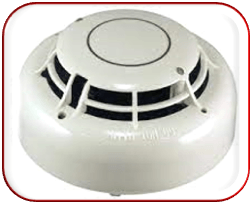
Smoke Detector: Effective Smoke Detection
The Smoke Detector is a vital component of any fire alarm system. It is designed to detect the presence of smoke in the environment using advanced sensing technologies that alert occupants immediately, helping prevent potential fire disasters.
Importance of the Smoke Detector:
- Early Fire Detection:
Serves as the first line of defense by providing alerts the moment smoke is detected, allowing for quick response and evacuation.
- Accurate Location Identification:
Capable of pinpointing the source of smoke to help emergency personnel and building management respond effectively.
Detection Technologies:
- Multiple Sensors:
Utilizes a combination of photoelectric and ionization sensors to detect fine particles and smoke in the air.
- Radiation Techniques:
Some models employ ionization technology that uses a small amount of radioactive material to detect combustion gases and particles.
Security and Reliability:
- Environmental Durability:
Engineered to function effectively in various conditions, including humidity, dust, and temperature fluctuations.
- Regular Testing:
Regular testing and maintenance are essential to ensure that the detector continues to operate reliably over time.
Conclusion:
Smoke Detectors are a critical element in building safety, offering fast, reliable detection and giving occupants precious time to act. When integrated into a comprehensive fire alarm system, they play a key role in protecting lives and property.
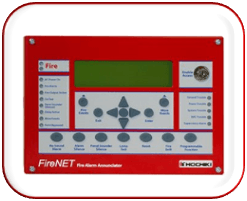
Repeater: A Vital Connectivity Technology
The Repeater is a critical connection point that enables the expansion of coverage for our alarm system. It is designed to repeat and amplify alarm signals, ensuring stable communication and system effectiveness.
Importance of the Repeater:
- Coverage Expansion:
The Repeater allows for the expansion of alarm coverage, enabling protection of larger areas in large or complex buildings.
- Enhanced Communication Capability:
The Repeater helps strengthen and stabilize alarm signals, reducing the chances of signal loss in challenging technical environments.
Advanced Connectivity Technology:
- Seamless Integration:
The Repeater is designed for seamless integration with the alarm system, allowing it to operate harmoniously with other devices.
- Immediate Response:
The Repeater ensures rapid receipt and retransmission of signals, contributing to immediate responses to any threats.
Security and Reliability:
- Robust Design:
The Repeater is built to be durable and strong, capable of withstanding harsh operating conditions.
- Proactive Maintenance:
Regular maintenance is recommended to verify the performance of the Repeater and ensure its readiness to handle any emergency situation.
Bells in Security Systems: Audible Alerts for Safety
Emergency Alerts:
Bells are used to emit loud and distinctive sounds to indicate emergency situations. In the event of a security breach or fire outbreak, the auditory alert helps quickly inform individuals within the premises.
Deterrence:
The loud sounds of bells can act as a deterrent to intruders or potential threats. Unexpected noise draws attention and may discourage unauthorized individuals.
Types of Bells in Security Systems:
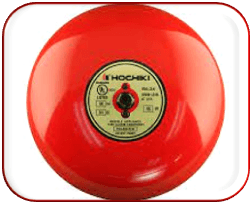
- Fire Alarm Bells: Specifically designed for fire alarm systems, these bells produce a distinctive and continuous ringing sound to alert occupants of a fire emergency.
- Intrusion Alarm Bells: Integrated into intrusion detection systems, these bells activate upon detecting unauthorized entry, deterring intruders and notifying people nearby.
Features and Considerations:
- Volume Control: Some security systems allow for sound level adjustments to suit the environment.
- Integration with Other Devices: Bells can be connected to cameras, control units, or access systems for comprehensive protection.
Reliability and Maintenance:
- Regular Testing: Routine tests help ensure bells operate properly in emergencies.
- Backup Power: Using backup power sources ensures operation during outages.
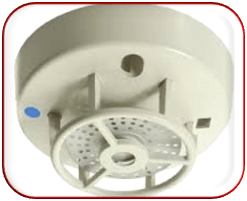
Heat Detector: Effective Heat Detection
The Heat Detector is a device that detects changes in temperature rather than smoke. It enhances fire alarm systems by identifying potential fire threats before smoke becomes apparent.
Importance of the Heat Detector:
- High Precision Detection:
Accurately identifies any unusual rise in temperature, providing early warning for potential heat sources.
- Effectiveness in Specific Environments:
Ideal for environments where smoke or dust is commonly present, such as kitchens, garages, or industrial settings, where traditional smoke detectors may be less effective.
Detection Technologies:
- Sensor Technology:
Utilizes advanced thermal sensors to monitor ambient temperature and trigger alerts at pre-defined thresholds.
- System Integration:
Easily integrates into comprehensive fire alarm systems, enabling centralized monitoring and response.
Security and Reliability:
- Robust Design:
Built using durable materials that withstand harsh environmental conditions and ensure long-term operation.
- Immediate Response:
Offers a fast and reliable response upon detecting critical temperature changes, supporting rapid action to prevent escalation.