في ظل التطور المستمر والمتسارع في مجال التكنولوجيا والأمن الإلكتروني، أصبحت أنظمة المراقبة والحماية ضرورة حتمية لا غنى عنها لكل من يسعى لحماية ممتلكاته سواء كانت منشآت تجارية، مصانع، شركات، أو حتى منازل سكنية. إن اختيار شركة كاميرات في مصر محترفة وذات خبرة طويلة في هذا المجال يمثل الخطوة الأولى نحو بناء منظومة أمنية متكاملة تضمن لك راحة البال والاطمئنان على كل ما تملك.
تبرز شركة ايتاس كواحدة من الشركات الرائدة في مجال أنظمة المراقبة والأمان في مصر، حيث تجمع بين الخبرة الممتدة لسنوات طويلة في السوق المصري والتقنيات الحديثة التي تواكب أحدث ما توصلت إليه صناعة الأمن العالمية. نحن في ايتاس نفهم تماماً أن كل منشأة لها احتياجاتها الخاصة وتحدياتها الفريدة، ولذلك نقدم حلولاً مخصصة تناسب طبيعة كل مشروع ومتطلباته الأمنية الخاصة.
لماذا تعتبر ايتاس الخيار الأمثل كأفضل شركة كاميرات في مصر؟
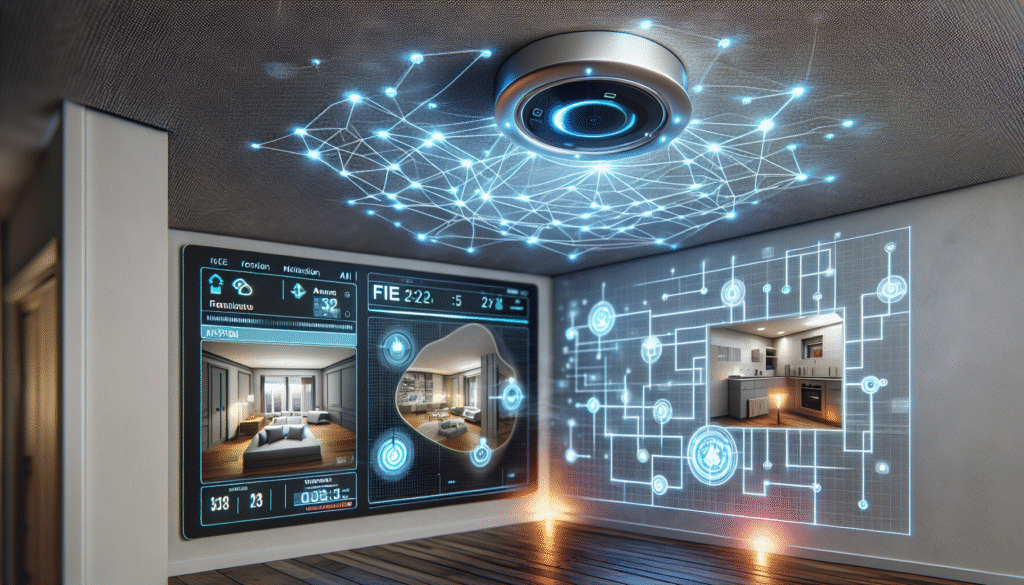
عندما تبحث عن شركة كاميرات في مصر يمكنك الوثوق بها، فإنك بالتأكيد تبحث عن شركة تجمع بين عدة عوامل أساسية: الخبرة العملية، الجودة في المنتجات، الاحترافية في التنفيذ، والدعم المستمر بعد التركيب. شركة ايتاس تتميز بكونها توفر كل هذه العناصر تحت سقف واحد، مما يجعلها الخيار الأول للعديد من العملاء في مختلف القطاعات.
لا نقتصر في ايتاس على كوننا مجرد شركة كاميرات في مصر تبيع أجهزة وتركبها، بل نعتبر أنفسنا شريكاً استراتيجياً لك في بناء منظومة أمنية متكاملة. نحن نقدم مجموعة شاملة من الخدمات والحلول التي تغطي جميع جوانب الأمن الإلكتروني، وتشمل خدماتنا:
- تركيب وتوريد كاميرات المراقبة بجميع أنواعها وبأعلى مستويات الدقة والجودة بما في ذلك كاميرات HD وFull HD وكاميرات 4K فائقة الوضوح وكاميرات IP للمراقبة عبر الإنترنت
- تصميم وتركيب أنظمة التحكم في الدخول والخروج (اكسيس كنترول) بتقنيات متنوعة تشمل البصمة والكارت والتعرف على الوجه والرقم السري
- توريد وتركيب أنظمة الإنذار المتطورة ضد السرقة والحريق مع إمكانية الربط بمراكز المراقبة والأمن
- خدمات التركيب الاحترافي على يد فنيين مدربين ومعتمدين يمتلكون خبرة واسعة في التعامل مع مختلف أنواع المنشآت
- خدمات الصيانة الدورية والطارئة مع توفير الدعم الفني المتخصص على مدار الساعة طوال أيام الأسبوع
- ضمان شامل على جميع الأجهزة والمعدات التي نوردها وعلى أعمال التركيب والتوصيلات
- التدريب الكامل على استخدام الأنظمة وتسليم دليل المستخدم وجميع الملحقات
خدماتنا المتخصصة في مجال الأمن والمراقبة
أولاً: خدمات كاميرات المراقبة – رؤية واضحة لحماية شاملة
تمثل كاميرات المراقبة العمود الفقري لأي نظام أمني حديث. في ايتاس، وباعتبارنا شركة كاميرات في مصر متخصصة، نوفر تشكيلة واسعة ومتنوعة من كاميرات المراقبة التي تلبي مختلف الاحتياجات والميزانيات. سواء كنت تبحث عن حماية منزلك أو شركتك أو مصنعك أو متجرك، لدينا الحل المناسب لك.
أنواع كاميرات المراقبة التي نوفرها:
كاميرات المراقبة الداخلية: صُممت هذه الكاميرات خصيصاً للاستخدام داخل المباني والمنشآت، وتتميز بتصميمها الأنيق الذي يتناسب مع ديكور المكان. تعتبر الخيار المثالي لمراقبة المكاتب والغرف والممرات والمحلات التجارية والمستودعات الداخلية. نوفر أحجاماً وأشكالاً متعددة تشمل الكاميرات القبة (Dome) والكاميرات الأسطوانية (Bullet).
كاميرات المراقبة الخارجية: مصممة لتحمل مختلف الظروف البيئية القاسية، فهي مقاومة للماء والأتربة والعواصف وأشعة الشمس الحارقة. تأتي هذه الكاميرات بتصنيف حماية IP66 أو IP67 مما يضمن عملها بكفاءة عالية في جميع الأحوال الجوية. مثالية لمراقبة محيط المباني والمداخل والحدائق ومواقف السيارات.
كاميرات IP (بروتوكول الإنترنت): تمثل أحدث تقنيات المراقبة حيث يمكن توصيلها مباشرة بشبكة الإنترنت مما يتيح لك المراقبة من أي مكان في العالم عبر هاتفك الذكي أو جهاز الكمبيوتر. توفر جودة صورة فائقة وإمكانيات تسجيل متقدمة مع خاصية التخزين السحابي.
كاميرات PTZ (التحريك والإمالة والتكبير): كاميرات ذكية يمكن التحكم فيها عن بُعد لتدوير الكاميرا بزاوية 360 درجة وإمالتها لأعلى وأسفل مع إمكانية التكبير البصري القوي. مثالية للمساحات الواسعة مثل الساحات الكبيرة والمصانع والملاعب حيث تغطي كاميرا واحدة مساحة تحتاج لعدة كاميرات ثابتة.
كاميرات الرؤية الليلية: تعمل بكفاءة عالية في الظلام الدامس باستخدام تقنية الأشعة تحت الحمراء (Infrared) التي تمكنها من تصوير واضح حتى في غياب أي مصدر للضوء. بعض الموديلات توفر مدى رؤية ليلية يصل إلى 100 متر.
كاميرات 4K عالية الدقة: توفر أعلى مستويات الوضوح والدقة في التصوير مما يمكنك من رؤية أدق التفاصيل حتى عند التكبير الرقمي. مثالية للمواقع التي تحتاج إلى دقة عالية جداً مثل البنوك ومحلات المجوهرات والمتاحف.
كاميرات ذات الزاوية الواسعة: تغطي مساحة أوسع بكاميرا واحدة مما يقلل من عدد الكاميرات المطلوبة ويوفر في التكلفة. تصل زاوية الرؤية في بعض الموديلات إلى 180 درجة.
المزايا الفنية لأنظمة الكاميرات التي نركبها:
المراقبة الحية عبر الهاتف المحمول: جميع الأنظمة التي نركبها تدعم المراقبة المباشرة عبر تطبيقات سهلة الاستخدام على الهواتف الذكية والأجهزة اللوحية. يمكنك مشاهدة ما يحدث في منشأتك في أي وقت ومن أي مكان في العالم طالما لديك اتصال بالإنترنت.
خيارات التسجيل المتعددة: نوفر أنظمة تسجيل متقدمة بخيارات مرنة تشمل التسجيل المستمر على مدار الساعة، أو التسجيل عند اكتشاف الحركة فقط لتوفير مساحة التخزين، أو التسجيل المجدول حسب أوقات معينة تحددها أنت.
الإشعارات الفورية والتنبيهات الذكية: تتلقى تنبيهات فورية على هاتفك عند اكتشاف أي حركة غير اعتيادية أو عند حدوث أي نشاط مشبوه في المنطقة المراقبة. يمكن تخصيص حساسية الكشف عن الحركة وتحديد مناطق معينة للمراقبة وتجاهل مناطق أخرى.
التخزين المحلي والسحابي: نوفر حلول تخزين متنوعة تشمل أجهزة DVR وNVR بسعات تخزينية كبيرة تصل إلى عدة تيرابايت للتسجيل المحلي، بالإضافة إلى إمكانية النسخ الاحتياطي السحابي لمزيد من الأمان والحماية من فقدان التسجيلات.
جودة صورة استثنائية: نستخدم فقط كاميرات من الماركات العالمية الرائدة التي توفر صوراً واضحة وحادة بدقة عالية تمكنك من رؤية الوجوه وأرقام السيارات والتفاصيل الدقيقة بوضوح تام.
الرؤية الليلية المتقدمة: تقنيات متطورة للإضاءة بالأشعة تحت الحمراء توفر صوراً واضحة حتى في الظلام الدامس دون الحاجة لأي إضاءة إضافية. بعض الكاميرات تدعم تقنية Starlight التي توفر صوراً ملونة حتى في الإضاءة الضعيفة جداً.
مقاومة العبث والتخريب: نوفر كاميرات بتصميم مقاوم للعبث والتخريب (Vandal-proof) مع حافظات معدنية قوية تحمي الكاميرا من محاولات التدمير أو التعطيل.
ثانياً: شركة تركيب اكسيس كنترول – نظام التحكم الذكي في الدخول
تعتبر أنظمة التحكم في الدخول (اكسيس كنترول) من أهم عناصر الأمن الحديث، حيث تتيح لك التحكم الكامل في من يدخل ومن يخرج من منشأتك وفي أي وقت. كـ شركة تركيب اكسيس كنترول متخصصة، تقدم ايتاس حلولاً متكاملة تناسب جميع أنواع المنشآت بدءاً من المكاتب الصغيرة وحتى المجمعات السكنية والصناعية الكبيرة.
أنظمة الاكسيس كنترول التي نوفرها ليست مجرد أقفال إلكترونية، بل هي أنظمة ذكية متكاملة توفر لك سيطرة كاملة على أمن منشأتك مع إمكانيات إدارية واسعة وتقارير تفصيلية عن كل حركة دخول وخروج.
أنواع أنظمة الاكسيس كنترول المتوفرة لدينا:
أنظمة البصمة (Fingerprint Access Control): تمثل أعلى مستويات الأمان حيث تستخدم البصمة الفريدة لكل شخص كمفتاح للدخول. مستحيل تزويرها أو نسيانها أو سرقتها. تعمل بسرعة فائقة حيث تتعرف على البصمة في أقل من ثانية واحدة. مثالية للمنشآت التي تتطلب مستوى أمان عالي جداً مثل المختبرات والخزائن وغرف السيرفرات.
أنظمة الكروت الذكية (RFID Card Systems): نظام عملي وسهل يستخدم بطاقات إلكترونية (كروت) لفتح الأبواب. يمكن برمجة كل بطاقة بصلاحيات محددة وأوقات دخول معينة. سهل الإدارة حيث يمكن إلغاء البطاقة فوراً في حالة فقدانها أو عند انتهاء صلاحية الموظف. متوفر بتقنيات مختلفة (125KHz, 13.56MHz, UHF).
أنظمة التعرف على الوجه (Face Recognition): أحدث التقنيات في عالم الأمن تستخدم الذكاء الاصطناعي للتعرف على الوجوه. لا تحتاج لأي ملامسة مما يجعلها مثالية في ظروف النظافة الصحية. تعمل بسرعة وبدقة عالية حتى مع تغيرات الإضاءة أو نظارات أو تغييرات بسيطة في المظهر.
أنظمة الرقم السري (PIN Code Systems): نظام بسيط وفعال يعتمد على إدخال رقم سري شخصي. يمكن دمجه مع أنظمة أخرى لزيادة مستوى الأمان. مثالي للمناطق التي يحتاج عدة أشخاص للدخول إليها.
الأنظمة المختلطة متعددة التقنيات: لأعلى مستويات الأمان، نوفر أنظمة تجمع بين تقنيتين أو أكثر، مثل البصمة مع الكارت، أو الرقم السري مع التعرف على الوجه. هذه الأنظمة توفر حماية مضاعفة ومثالية للمواقع شديدة الحساسية.
الفوائد الكبيرة لتركيب نظام اكسيس كنترول:
منع الدخول غير المصرح به بشكل قاطع: لم يعد بإمكان أي شخص غير مصرح له الدخول إلى منشأتك. كل باب يفتح فقط للأشخاص الذين لديهم صلاحية محددة، مما يحمي أصولك وبياناتك الحساسة من الوصول غير المشروع.
تقارير شاملة ومفصلة: يسجل النظام تلقائياً كل عملية دخول وخروج مع التاريخ والوقت الدقيق واسم الشخص والباب المستخدم. يمكنك استخراج تقارير تفصيلية لأي فترة زمنية لأغراض المراجعة والتدقيق.
نظام حضور وانصراف متكامل: إذا كنت تدير شركة أو مؤسسة، فإن نظام الاكسيس كنترول يعمل أيضاً كنظام تسجيل حضور وانصراف احترافي. لا حاجة لدفتر التوقيع التقليدي، كل شيء يُسجل إلكترونياً بدقة تامة ولا يمكن التلاعب به.
إدارة الصلاحيات بمرونة كاملة: يمكنك منح كل موظف أو شخص صلاحيات محددة بدقة. مثلاً، موظف معين يمكنه الدخول إلى منطقة معينة فقط وفي أوقات محددة، بينما المدير لديه صلاحية دخول لجميع المناطق في أي وقت.
التحكم في أبواب متعددة من نقطة مركزية: يمكنك إدارة عشرات أو حتى مئات الأبواب من جهاز كمبيوتر واحد أو من هاتفك المحمول. فتح وإغلاق الأبواب عن بُعد، إضافة أو حذف مستخدمين، تغيير الصلاحيات، كل ذلك وأنت في مكتبك.
جدولة زمنية ذكية: يمكنك تحديد أوقات محددة للدخول. مثلاً، باب معين يفتح فقط في ساعات العمل الرسمية، أو صلاحية شخص معين تنتهي في تاريخ محدد تلقائياً.
التكامل مع أنظمة الأمن الأخرى: نقوم بربط نظام الاكسيس كنترول مع كاميرات المراقبة ونظام الإنذار لتكوين منظومة أمنية متكاملة. عند محاولة دخول غير مصرح بها، يُطلق الإنذار وتبدأ الكاميرا بالتسجيل تلقائياً.
كـ شركة تركيب اكسيس كنترول محترفة، نضمن لك في ايتاس تركيباً دقيقاً وبرمجة احترافية للنظام مع تدريب شامل لفريقك على الاستخدام والإدارة.
شركة تركيب أنظمة إنذار حريق في مصر | حلول متكاملة لحماية منشآتك
ثالثاً: شركة تركيب انظمة الانذار – الحماية الاستباقية والتنبيه المبكر
في عالم الأمن، الوقاية خير من العلاج. أنظمة الإنذار تمثل خط الدفاع الأول ضد المخاطر المختلفة سواء كانت محاولات سرقة أو حريق أو أي تهديدات أخرى. تقدم ايتاس كـ شركة تركيب انظمة الانذار متخصصة، حلولاً متطورة توفر الحماية الاستباقية لمنشأتك على مدار الساعة.
أنظمة الإنذار التي نوفرها ليست مجرد صفارات تصدر أصوات عالية، بل هي أنظمة ذكية متكاملة تكتشف التهديدات مبكراً وتتخذ إجراءات تلقائية متعددة لحماية ممتلكاتك والأشخاص.
الأنواع المختلفة من أنظمة الإنذار:
أنظمة الإنذار ضد السرقة والاقتحام: تستخدم حساسات متطورة لكشف الحركة والاقتحام في الأماكن المحمية. تشمل حساسات الحركة PIR التي تكتشف الحرارة الصادرة من الأجسام المتحركة، حساسات الأبواب والنوافذ المغناطيسية، وحساسات كسر الزجاج الصوتية. عند اكتشاف أي اختراق، يُطلق الإنذار فوراً ويتم إرسال تنبيهات إلى هاتفك وإلى مركز المراقبة إن وجد.
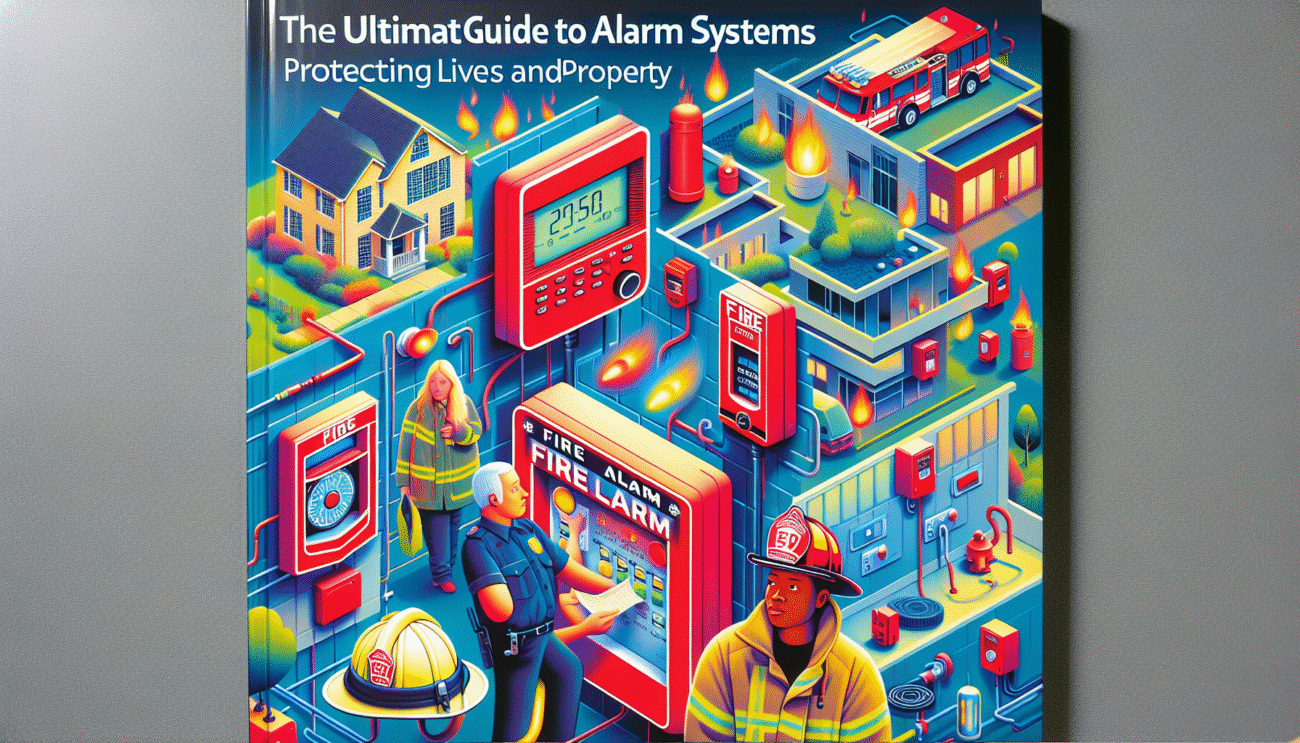
أنظمة الإنذار ضد الحريق: حماية حيوية لأي منشأة حيث الكشف المبكر عن الحريق يمكن أن ينقذ الأرواح ويمنع خسائر فادحة. تستخدم أنواع متعددة من الكواشف: كاشف الدخان الأيوني والضوئي، وكاشف الحرارة، وكاشف غاز أول أكسيد الكربون. النظام مرتبط بصفارات إنذار حريق عالية جداً ويمكن ربطه بنظام إطفاء تلقائي أو إرسال إشارة مباشرة إلى الإطفائية.
أنظمة الإنذار الصوتية القوية: صفارات إنذار بقوة صوت عالية جداً (تصل إلى 120 ديسيبل) تعمل على ردع المتسللين وتنبيه الجيران والحراس والأشخاص المحيطين. متوفرة للاستخدام الداخلي والخارجي.
أنظمة الإنذار الصامتة: في بعض الحالات، قد تفضل عدم تنبيه المتسلل. الإنذار الصامت يرسل تنبيهاً فورياً إلى حراس الأمن أو الشرطة دون إصدار أي صوت، مما يعطي فرصة للقبض على المتسللين متلبسين.
أنظمة الإنذار اللاسلكية: لا تحتاج إلى تمديدات أسلاك معقدة، مثالية للمباني القائمة. تعمل بالبطاريات وتتصل لاسلكياً مع وحدة التحكم المركزية. سهلة التركيب والتوسع.
أنظمة الإنذار السلكية: الأكثر استقراراً وموثوقية للمنشآت الكبيرة والمشاريع الجديدة. توفر اتصالاً ثابتاً ومستمراً دون قلق من ضعف البطارية أو التشويش اللاسلكي.
المزايا الأساسية لأنظمة الإنذار من ايتاس:
الاستجابة الفورية للتهديدات: النظام يعمل على مدار الساعة دون كلل أو ملل. في أقل من ثانية من اكتشاف التهديد، يتم تفعيل الإنذار واتخاذ الإجراءات المبرمجة مسبقاً.
التنبيهات المتعددة القنوات: لا تقتصر التنبيهات على الصفارة الصوتية فقط، بل يتم إرسال تنبيهات فورية إلى هاتفك المحمول عبر الرسائل النصية أو التطبيق الخاص، ويمكن الاتصال تلقائياً بأرقام محددة مسبقاً أو بمركز المراقبة أو حتى الشرطة مباشرة.
ردع فعال للمجرمين: الدراسات تثبت أن وجود نظام إنذار واضح يردع أكثر من 80% من المجرمين ويجعلهم يتجهون لأهداف أسهل. صوت الإنذار العالي يجعل المتسلل يهرب فوراً خوفاً من القبض عليه.
البطارية الاحتياطية: جميع أنظمتنا مزودة ببطارية احتياطية تضمن استمرار عمل النظام حتى في حالة انقطاع الكهرباء. تستمر البطارية في العمل لساعات طويلة تصل إلى 24 ساعة أو أكثر.
الحساسية القابلة للتعديل: يمكن ضبط حساسية الكواشف لتقليل الإنذارات الكاذبة الناتجة عن الحيوانات الأليفة أو الحركة الطبيعية، بينما تظل حساسة كفاية لكشف التهديدات الحقيقية.
نظام تفعيل وإلغاء ذكي: يمكنك تفعيل وإلغاء النظام باستخدام كود سري أو بطاقة أو بصمة أو عبر تطبيق الهاتف. يمكن برمجة أكواد مؤقتة لعمال النظافة أو الصيانة.
المناطق المتعددة: يمكن تقسيم المنشأة إلى مناطق متعددة وتفعيل كل منطقة بشكل مستقل. مثلاً، تحمي المخازن بينما تترك منطقة المكاتب مفتوحة للعمل الليلي.
التكامل الكامل: نقوم بربط نظام الإنذار مع كاميرات المراقبة ونظام الإضاءة والأقفال الإلكترونية. عند تفعيل الإنذار، تبدأ الكاميرات بالتسجيل تلقائياً وتضيء كل الأنوار وتُقفل جميع الأبواب.
القطاعات والمنشآت التي نخدمها
بفضل خبرتنا الواسعة والمتنوعة، نقدم في ايتاس كـ شركة كاميرات في مصر وشركة تركيب اكسيس كنترول وشركة تركيب انظمة الانذار شاملة، خدماتنا لجميع القطاعات والمنشآت على اختلاف أنواعها وأحجامها:
القطاع التجاري والصناعي:
الشركات والمؤسسات التجارية الكبرى: نوفر حلولاً أمنية متكاملة للشركات الكبيرة بما يشمل المكاتب الإدارية وقاعات الاجتماعات والأرشيف وغرف السيرفرات. نفهم أهمية حماية البيانات والمعلومات السرية ولذلك نصمم أنظمة أمنية متعددة المستويات.
المصانع والمنشآت الصناعية: المصانع تحتاج إلى أنظمة أمنية قوية لحماية المعدات الثمينة والمواد الخام والمنتجات. نوفر كاميرات مراقبة صناعية قوية تعمل في البيئات القاسية مع أنظمة تحكم في الدخول لتنظيم حركة العمال والزوار.
المستودعات ومراكز التوزيع: حماية المخزون من السرقة والتلف أمر بالغ الأهمية. نصمم أنظمة مراقبة شاملة تغطي كل زاوية من المستودع مع أنظمة إنذار متطورة تكشف أي حركة غير طبيعية خارج أوقات العمل.
المحلات التجارية والمولات التجارية: سواء كنت تملك محلاً واحداً أو سلسلة محلات، نوفر لك أنظمة مراقبة تساعدك على مراقبة العملاء والموظفين وحماية بضائعك من السرقة. كما يمكن ربط نقاط البيع بنظام المراقبة لمنع الاحتيال.
البنوك والمؤسسات المالية: القطاع المصرفي يتطلب أعلى مستويات الأمان. نوفر أنظمة أمنية متطورة تشمل كاميرات عالية الدقة مع تسجيل مستمر، أنظمة تحكم متقدمة في الدخول، وأنظمة إنذار متصلة مباشرة بمراكز الأمن.
المطاعم والكافيهات: حماية المطعم من السرقة الداخلية والخارجية، مراقبة جودة الخدمة، ومتابعة التزام الموظفين بمعايير النظافة والسلامة. أنظمة المراقبة تساعد أيضاً في حل النزاعات مع العملاء.
القطاع السكني:
الفلل والقصور: نصمم أنظمة أمنية فاخرة تناسب البيوت الكبيرة مع الحفاظ على الخصوصية والجمالية. كاميرات خفية أو أنيقة التصميم تندمج مع الديكور، مع أنظمة تحكم ذكية تعمل بالهاتف المحمول.
الشقق السكنية: حلول أ منية بأسعار معقولة للشقق السكنية تشمل كاميرات على الأبواب والشرفات مع نظام إنذار ضد السرقة يعمل عند غيابك، ويمكن التحكم فيه من هاتفك.
العمارات السكنية: حماية المدخل الرئيسي والمصعد والجراج والأسطح، مع إمكانية إعطاء كل ساكن من خلال تطبيق خاص المشاهدة المباشرة للمداخل والأماكن المشتركة.
القرى والكمبوندات السكنية: أنظمة أمنية شاملة للمجمعات السكنية الكبيرة تشمل كاميرات على البوابات والشوارع الداخلية، أنظمة تحكم في دخول السيارات والزوار، ونظام إدارة مركزي لغرفة الأمن.
القطاع الحكومي والخدمي:
المدارس والجامعات: حماية الطلاب والمعلمين أولوية قصوى. نوفر أنظمة مراقبة للمداخل والفصول والساحات، مع أنظمة حضور إلكترونية للطلاب والموظفين، وأنظمة كنترول للمعامل والمكتبات.
المستشفيات والمراكز الطبية: أماكن حساسة تحتاج لأنظمة أمنية دقيقة لحماية المرضى والطواقم الطبية والأدوية والمعدات الطبية الثمينة. نوفر كاميرات في المداخل والأروقة ومواقف السيارات مع أنظمة تحكم صارمة على غرف العمليات والصيدليات.
المباني الحكومية: نوفر حلول أمنية متطورة تناسب متطلبات المباني الحكومية من حيث الأمان والسيطرة الكاملة على حركة الدخول والخروج وتوثيق كل الأنشطة.
الفنادق والمنتجعات السياحية: حماية النزلاء وممتلكاتهم مع أنظمة أقفال إلكترونية ذكية للغرف، ومراقبة الردهات والمصاعد ونقاط الدخول، وأنظمة تحكم متطورة تمنح النزيل بطاقة تفتح غرفته فقط.
المساجد والكنائس: حماية أماكن العبادة والمصلين والتبرعات مع أنظمة مراقبة لا تتعارض مع خصوصية المكان.
لماذا أصبحت الأنظمة الأمنية ضرورة وليست رفاهية؟
في عصرنا الحالي، لم تعد أنظمة الأمن والمراقبة من الكماليات التي يمكن الاستغناء عنها، بل أصبحت ضرورة ملحة تتطلبها طبيعة الحياة العصرية والمخاطر المتزايدة. هناك عدة أسباب تجعل الاستثمار في أنظمة الأمن قراراً حكيماً:
الحماية الشاملة على مدار الساعة: لا يمكن لأي حارس بشري أن يبقى متيقظاً طوال الوقت، ولا يمكنه مراقبة عدة أماكن في وقت واحد. أنظمة المراقبة الإلكترونية لا تنام ولا تنسى ولا تشتت انتباهها. إنها تراقب كل شيء على مدار الساعة دون توقف.
التوفير الكبير في التكاليف: قد يبدو أن تركيب نظام أمني هو تكلفة إضافية، لكن في الواقع هو استثمار يوفر لك الكثير على المدى الطويل. تخيل الخسائر الهائلة التي يمكن أن تحدث من عملية سرقة واحدة أو حريق واحد. تكلفة النظام الأمني تكون عادة أقل بكثير من قيمة ما تحميه.
زيادة الإنتاجية وتحسين بيئة العمل: وجود نظام مراقبة يشجع الموظفين على الالتزام بمواعيد العمل وأداء واجباتهم بكفاءة. كما يقلل من حالات الغش والتهاون والسرقة الداخلية. الدراسات تشير إلى أن المنشآت التي تستخدم أنظمة مراقبة تشهد زيادة ملحوظة في الإنتاجية.
الأدلة الموثقة والقيمة القانونية: في حالة حدوث أي جريمة أو نزاع، التسجيلات من كاميرات المراقبة تعتبر دليلاً قوياً ومقبولاً قانونياً في المحاكم. هذا يساعدك على استرداد حقوقك وإثبات براءتك أو تحديد المسؤولية.
راحة البال والاطمئنان النفسي: ليس هناك ما يعادل الشعور بالأمان والاطمئنان. عندما تكون بعيداً عن منزلك أو عملك، يمكنك فتح تطبيق المراقبة والاطلاع على ما يحدث بلحظة واحدة. هذا يمنحك راحة بال لا تقدر بثمن.
تقليل تكاليف التأمين: العديد من شركات التأمين تقدم خصومات كبيرة على بوليصات التأمين للمنشآت والمنازل المزودة بأنظمة أمنية حديثة، لأن وجود هذه الأنظمة يقلل من احتمالات الحوادث والسرقات.
المراقبة عن بُعد: التقنيات الحديثة تتيح لك مراقبة ممتلكاتك من أي مكان في العالم. سواء كنت في المنزل أو المكتب أو مسافراً في الخارج، يمكنك الاطلاع على ما يحدث في الوقت الفعلي وحتى التحكم في بعض الأنظمة.
منهجية العمل في ايتاس – من الفكرة إلى التنفيذ
نتبع في ايتاس منهجية عمل احترافية ومنظمة تضمن تسليم مشروع أمني متكامل يلبي احتياجاتك بدقة ويعمل بكفاءة عالية. مراحل عملنا معك تشمل:
المرحلة الأولى: الاستشارة والتقييم المجاني
نبدأ بالاستماع إليك بعناية لفهم احتياجاتك الأمنية بدقة. ما هي مخاوفك الأمنية؟ ما هي المناطق التي تحتاج لحماية خاصة؟ ما هي ميزانيتك؟ بعد ذلك نقوم بزيارة موقعك للمعاينة الميدانية، ندرس تصميم المبنى، نحدد النقاط الحساسة، ونقيم التحديات الموجودة. هذه الاستشارة والمعاينة مجانية تماماً دون أي التزام من جانبك.
المرحلة الثانية: التصميم والتخطيط الهندسي
بناءً على المعلومات التي جمعناها، يقوم فريق المهندسين لدينا بتصميم النظام الأمني الأمثل لمنشأتك. نحدد بدقة أماكن تركيب الكاميرات لضمان تغطية شاملة دون نقاط عمياء، ونخطط لمسارات الكابلات، ونختار الأجهزة المناسبة. نأخذ في الاعتبار عوامل كثيرة مثل الإضاءة ومدى الرؤية والخصوصية والجمالية.
المرحلة الثالثة: عرض السعر التفصيلي
نقدم لك عرض سعر واضح ومفصل يشمل كل شيء: تكلفة الأجهزة، تكلفة التركيب، تكلفة البرمجة، مدة الضمان. نحن نؤمن بالشفافية الكاملة ولا نضع أي تكاليف خفية. يمكنك أن تطلب عروض مقارنة ونحن واثقون من أن عرضنا سيكون الأفضل من حيث نسبة الجودة للسعر.
المرحلة الرابعة: التركيب الاحترافي على يد خبراء
بمجرد الموافقة على العرض، يبدأ فريقنا الفني المتخصص بعملية التركيب. كل أعضاء فريقنا مدربون ومعتمدون ولديهم خبرة سنوات في هذا المجال. نلتزم بأعلى معايير الجودة والسلامة أثناء التركيب. نحرص على تمديد الكابلات بطريقة منظمة ومخفية للحفاظ على جمالية المكان. نتأكد من تثبيت كل جهاز بطريقة صحيحة وآمنة.
المرحلة الخامسة: الاختبار والبرمجة والتدريب
بعد التركيب، نقوم باختبار شامل للنظام بالكامل للتأكد من أن كل شيء يعمل بكفاءة مثالية. نبرمج النظام وفق احتياجاتك الدقيقة، نضبط الإعدادات، ونتأكد من جودة الصورة والصوت. بعد ذلك نقدم لك تدريباً شاملاً على كيفية استخدام النظام، كيفية مشاهدة التسجيلات، كيفية تغيير الإعدادات، وكيفية استخدام التطبيق على الهاتف.
المرحلة السادسة: التسليم والضمان والدعم المستمر
نسلمك النظام كاملاً مع شهادة ضمان شاملة وجميع المستندات الضرورية. لكن علاقتنا معك لا تنتهي عند التسليم. نحن نقدم دعماً فنياً متواصلاً على مدار الساعة. إذا واجهت أي مشكلة أو كان لديك أي استفسار، فريقنا جاهز دائماً للمساعدة. نقدم أيضاً عقود صيانة دورية تشمل الفحص الشامل والتنظيف والتحديثات.
الماركات العالمية التي نتعامل معها
جودة الأجهزة أساس نجاح أي نظام أمني. لذلك نحن في ايتاس نتعامل فقط مع أفضل وأشهر الماركات العالمية المعتمدة في مجال الأمن والمراقبة. هذا يضمن لك أجهزة موثوقة وذات أداء عالي وعمر افتراضي طويل:
Hikvision: الشركة الصينية الرائدة عالمياً في مجال كاميرات المراقبة. تشتهر بالجودة العالية والأسعار المعقولة والتقنيات المتطورة. منتجاتها تتراوح من الكاميرات البسيطة للاستخدام المنزلي إلى الأنظمة المتقدمة للمشاريع الضخمة.
Dahua Technology: منافس قوي لهيكفيجن وواحدة من أكبر الشركات في العالم. تقدم مجموعة واسعة من الحلول الأمنية بجودة ممتازة ودعم فني قوي. معروفة بالابتكار المستمر.
Axis Communications: الشركة السويدية الرائدة في كاميرات IP. تتميز بأعلى مستويات الجودة والدقة لكنها أعلى سعراً. مثالية للمشاريع التي تتطلب أعلى مستويات الأداء والموثوقية.
Samsung Techwin: القسم الأمني من سامسونج الكورية. تجمع بين التكنولوجيا المتقدمة والتصميم الأنيق. منتجاتها معروفة بالموثوقية العالية والأداء الممتاز.
ZKTeco: الرائدة عالمياً في أنظمة التحكم في الدخول وأنظمة البصمة. منتجاتها موثوقة وسهلة الاستخدام ومنتشرة بكثرة في السوق المصري.
Honeywell: الشركة الأمريكية العريقة والمعروفة بأنظمة الإنذار والأمن الصناعي. تتميز بالموثوقية الفائقة والجودة الأمريكية العالية.
Bosch Security Systems: الشركة الألمانية الشهيرة بالدقة والجودة. منتجاتها مثالية للمشاريع التي تتطلب موثوقية عالية جداً وعمر افتراضي طويل.
اختيارنا للماركة المناسبة لمشروعك يعتمد على عدة عوامل: طبيعة المشروع، الميزانية المتاحة، المتطلبات الفنية، وتفضيلاتك الشخصية. نحن نقدم لك المشورة الصادقة لاختيار أفضل حل يناسب احتياجاتك.
الأسعار والعروض التنافسية
نؤمن في ايتاس بأن الأمان حق للجميع وليس رفاهية للأغنياء فقط. لذلك نسعى دائماً لتقديم أفضل الأسعار الممكنة دون التضحية بالجودة. نحن نقدم حلولاً أمنية لجميع الميزانيات:
باقات مخصصة تناسب كل ميزانية: لدينا حلول اقتصادية للمشاريع الصغيرة والميزانيات المحدودة، وحلول متوسطة وحلول راقية للمشاريع الكبيرة. نصمم لك نظاماً يناسب إمكانياتك المالية تماماً.
أسعار خاصة للمشاريع الكبيرة: إذا كنت تخطط لمشروع كبير مثل تأمين مجمع سكني أو مصنع أو سلسلة محلات، نقدم أسعاراً خاصة جداً وخصومات كبيرة على الكميات.
خصومات على الباقات الشاملة: عند طلب أكثر من خدمة (كاميرات + اكسيس كنترول + إنذار)، نقدم خصومات إضافية تشجيعاً لك على بناء نظام أمني متكامل.
عروض موسمية مميزة: على مدار العام، نطلق عروضاً خاصة وتخفيضات موسمية تتيح لك الحصول على أفضل الأجهزة بأقل الأسعار.
خطط سداد مرنة: نوفر إمكانية السداد على دفعات ميسرة للمشاريع كبيرة لتسهيل عملية الاستثمار في الأمن دون عبء مالي كبير دفعة واحدة.
الاستشارة والمعاينة مجاناً: لا نتقاضى أي رسوم على الزيارة الأولية والاستشارة وإعداد عرض السعر. يمكنك الحصول على تقييم كامل لاحتياجاتك دون أي تكلفة أو التزام.
شهادات العملاء وقصص النجاح
نفتخر بثقة عملائنا فينا وبالعلاقات طويلة الأمد التي نبنيها معهم. إليك بعض آراء عملائنا في خدماتنا:
“بعد أن تعرضت لمحاولة سرقة، قررت تركيب نظام مراقبة لمصنعي. تواصلت مع عدة شركات لكن ايتاس قدمت أفضل عرض من حيث الجودة والسعر والاحترافية. الفريق زار الموقع وصمم نظاماً شاملاً يغطي كل زاوية. التركيب تم في ثلاثة أيام والنتيجة رائعة. الآن أستطيع مراقبة المصنع من هاتفي وأنا في منزلي. أنصح بشدة بالتعامل مع شركة ايتاس.”
م. محمد أحمد عبد الرحمن
مدير مصنع للمنتجات الغذائية – العاشر من رمضان
“كمديرة لمدرسة كبيرة، كنت قلقة جداً على سلامة الطلاب. احتجنا لنظام مراقبة شامل ونظام تحكم في الدخول لمنع دخول الأشخاص غير المصرح لهم. ايتاس قامت بعمل ممتاز، ركبوا كاميرات في جميع الأماكن الحساسة ونظام اكسيس كنترول بالكارت لجميع المعلمين والموظفين. النظام يعمل بكفاءة منذ سنتين دون أي مشاكل. الدعم الفني سريع الاستجابة عندما نحتاجه.”
د. سارة علي محمود
مديرة مدرسة خاصة – مدينة نصر
“أملك سلسلة محلات تجارية في عدة مناطق في القاهرة. كنت أعاني من مشكلة السرقة والتلاعب من بعض الموظفين. بعد تركيب أنظمة ايتاس في جميع الفروع، انخفضت الخسائر بشكل كبير جداً. الكاميرات عالية الدقة وأستطيع مراقبة جميع الفروع من هاتفي في أي وقت. ميزة التسجيل عند الحركة وفرت لي مساحة تخزين كبيرة. الأسعار كانت أفضل من كل المنافسين. شكراً لفريق ايتاس المحترم.”
أحمد حسن إبراهيم
صاحب سلسلة محلات ملابس – القاهرة
“فيلتي كانت تتعرض بشكل متكرر لمحاولات سرقة. ركبت نظام إنذار مع كاميرات من ايتاس. النظام الآن يربط الإنذار بالكاميرات وهاتفي، فعندما يكتشف أي حركة غريبة أتلقى تنبيهاً فورياً وأرى ما يحدث مباشرة. حدثت محاولة سرقة واحدة بعد التركيب، الإنذار أطلق صوتاً عالياً واللصوص هربوا فوراً، والكاميرات سجلت وجوههم بوضوح وقدمتها للشرطة. الاستثمار في النظام كان قراراً صائباً جداً.”
خالد محمود سعيد
مهندس – الشيخ زايد
“كمدير لكمبوند سكني كبير يضم 200 فيلا، كنا نحتاج لنظام أمني شامل. ايتاس صممت لنا نظاماً متكاملاً يشمل كاميرات على البوابات وفي الشوارع الرئيسية، ونظام اكسيس كنترول للبوابات يعمل بالكارت للسكان وبالتسجيل للزوار، ونظام إنذار مرتبط بغرفة الأمن. المشروع تم تنفيذه بكفاءة عالية في الوقت المحدد. الساكنون راضون جداً عن مستوى الأمان الذي حققناه.”
م. عمرو فتحي
مدير كمبوند سكني – القاهرة الجديدة
التقنيات الحديثة والمستقبلية في عالم الأمن
التكنولوجيا تتطور بسرعة مذهلة، ونحن في ايتاس نحرص على مواكبة أحدث التطورات التقنية في عالم الأمن والمراقبة. من التقنيات الحديثة التي نطبقها:
الذكاء الاصطناعي وتعلم الآلة:
الكاميرات الحديثة لم تعد مجرد أجهزة تسجيل، بل أصبحت ذكية قادرة على التفكير والتحليل. تستخدم خوارزميات الذكاء الاصطناعي للتعرف على الوجوه بدقة عالية، وتمييز الأشخاص عن الحيوانات، وكشف السلوكيات المشبوهة مثل التسكع أو الاقتراب من مناطق محظورة أو ترك أغراض مشبوهة. هذا يقلل بشكل كبير من الإنذارات الكاذبة ويركز الانتباه على التهديدات الحقيقية فقط.
التحليل الذكي للفيديو (Video Analytics):
بدلاً من مراقبة ساعات طويلة من التسجيلات يدوياً، تقوم أنظمة التحليل الذكي بمراجعة التسجيلات تلقائياً واستخراج الأحداث المهمة. مثلاً، يمكن للنظام أن يعرض لك فقط اللحظات التي دخل فيها أشخاص أو خرجوا، أو عندما توقفت سيارة لفترة طويلة، أو عندما حدثت حركة في منطقة معينة. يمكنك أيضاً البحث عن أشخاص بملابس معينة أو سيارة بلون محدد.
التخزين السحابي الآمن:
بالإضافة إلى التسجيل المحلي، نوفر خيار النسخ الاحتياطي السحابي على خوادم آمنة ومشفرة. هذا يحمي تسجيلاتك من الفقدان في حالة تعطل جهاز التسجيل أو سرقته أو تدميره. يمكنك الوصول لتسجيلاتك السحابية من أي مكان وفي أي وقت.
الأنظمة المتكاملة وإنترنت الأشياء:
لم تعد أنظمة الأمن معزولة عن بعضها. نحن نقوم بربط كاميرات المراقبة ونظام الاكسيس كنترول ونظام الإنذار ونظام الإضاءة ونظام التكييف معاً في منظومة واحدة ذكية. مثلاً، عندما يفتح شخص الباب باستخدام بطاقته، تبدأ الكاميرا بالتسجيل تلقائياً وتضيء الأنوار وتشغل التكييف. وعندما يغادر آخر موظف ويقفل الباب، يتم تفعيل نظام الإنذار تلقائياً وإطفاء جميع الأنوار.
التطبيقات الذكية والتحكم عن بُعد:
كل أنظمتنا تأتي مع تطبيقات سهلة الاستخدام للهواتف الذكية (iOS و Android) تمنحك تحكماً كاملاً في نظامك الأمني من أي مكان. شاهد الكاميرات مباشرة، راجع التسجيلات القديمة، تلقَ التنبيهات، افتح وأغلق الأبواب عن بُعد، فعّل أو ألغِ نظام الإنذار، وأكثر من ذلك بكثير.
تقنية الرؤية الحرارية:
للمواقع التي تحتاج لأمان إضافي، نوفر كاميرات حرارية تكتشف الحرارة المنبعثة من الأجسام. هذه الكاميرات تعمل في الظلام التام وعبر الضباب والدخان والغبار. مثالية للمحيطات الخارجية الواسعة والمواقع الصناعية.
تقنية البلوكشين لحماية التسجيلات:
لضمان عدم التلاعب بالتسجيلات، بعض أنظمتنا المتطورة تستخدم تقنية البلوكشين لإنشاء بصمة رقمية لكل تسجيل تثبت أصالته وتحميه من أي تعديل. هذا مهم جداً عندما تحتاج لاستخدام التسجيلات كأدلة قانونية.
نصائح ذهبية عند اختيار شركة أنظمة أمنية
السوق المصري مليء بشركات أنظمة الأمن، لكن ليست كلها على مستوى واحد من الاحترافية والجودة. إليك بعض النصائح المهمة عند اختيارك لـشركة كاميرات في مصر أو شركة تركيب اكسيس كنترول أو شركة تركيب انظمة الانذار:
تحقق من خبرة الشركة وسمعتها: ابحث عن شركة لها سجل حافل وخبرة سنوات في السوق. اقرأ آراء العملاء السابقين، اطلب أمثلة لمشاريع سابقة مشابهة لمشروعك. الشركة ذات السمعة الطيبة تكون مستعدة لتقديم مراجع من عملاء سابقين.
تأكد من جودة المنتجات المستخدمة: اسأل عن الماركات والموديلات التي ستستخدم في مشروعك. ابحث عن هذه المنتجات على الإنترنت واقرأ مراجعاتها التقنية. احذر من الشركات التي تستخدم منتجات مجهولة المصدر أو رخيصة جداً لأنها غالباً ما تكون ذات جودة رديئة.
اطلب ضماناً شاملاً ومكتوباً: يجب أن تحصل على ضمان رسمي يغطي الأجهزة وأعمال التركيب لفترة معقولة. الشركة الواثقة من جودة عملها ونوعية منتجاتها لا تخشى تقديم ضمانات سخية.
تأكد من توفر الدعم الفني المستمر: الأنظمة الأمنية الحديثة معقدة وقد تحتاج لدعم فني من وقت لآخر. اسأل عن آليات الدعم الفني: هل هناك خط ساخن؟ ما هي ساعات العمل؟ ما هو وقت الاستجابة المتوقع؟ هل يوجد دعم عن بُعد؟
قارن الأسعار بعناية لكن لا تختر الأرخص دائماً: احصل على عروض أسعار من عدة شركات وقارنها. لكن تذكر، أن السعر الأرخص ليس دائماً الخيار الأفضل. المهم هو نسبة الجودة للسعر. أحياناً العرض الأرخص يكون مبنياً على منتجات رديئة أو تركيب سيء.
اطلب زيارة موقعية ودراسة دقيقة: الشركة الجيدة لا تعطيك عرض سعر من تلفون. يجب أن تزور الموقع، تدرسه جيداً، تأخذ المقاسات، تفهم التحديات، ثم تضع تصميماً مناسباً وعرض سعر دقيق.
تحقق من التراخيص والشهادات: تأكد من أن الشركة مسجلة قانونياً ولديها التراخيص اللازمة. بعض الشركات الكبيرة لديها أيضاً شهادات دولية تثبت كفاءتها.
اسأل عن التدريب والتسليم: هل ستحصل على تدريب شامل على استخدام النظام؟ هل سيتم تسليمك أدلة الاستخدام؟ هل ستحصل على تسجيل لكلمات المرور والإعدادات؟
الأسئلة الأكثر شيوعاً حول أنظمة الأمن والمراقبة
كم تبلغ تكلفة تركيب نظام كاميرات مراقبة كامل؟
التكلفة تختلف بشكل كبير حسب عدة عوامل: عدد الكاميرات المطلوبة، نوع ودقة الكاميرات، المساحة المراد تغطيتها، نوع التسجيل (محلي أو سحابي)، وطول الكابلات والمسافات. بشكل عام، نظام بسيط لمحل صغير قد يبدأ من بضعة آلاف جنيه، بينما نظام متكامل لمصنع أو مبنى كبير قد يصل لعشرات أو مئات الآلاف. الطريقة الوحيدة للحصول على سعر دقيق هي طلب زيارة وفية ودراسة احتياجاتك بدقة. نحن في ايتاس نقدم المعاينة والاستشارة مجاناً دون أي التزام.
هل يمكنني مراقبة الكاميرات من هاتفي المحمول وأنا خارج مصر؟
بالتأكيد نعم. جميع الأنظمة الحديثة التي نركبها تدعم المراقبة عن بُعد عبر الإنترنت. سواء كنت في المنزل أو المكتب أو مسافراً في أي مكان في العالم، طالما لديك اتصال بالإنترنت على هاتفك أو حاسوبك، يمكنك مشاهدة الكاميرات مباشرة، مراجعة التسجيلات القديمة، وتلقي التنبيهات. التطبيقات سهلة الاستخدام ومتوفرة لأجهزة iPhone و Android و Windows.
ما هي مدة الضمان التي تقدمونها؟
نحن نقدم ضماناً شاملاً يتراوح حسب نوع الجهاز والماركة. عادة تكون فترة الضمان من سنة إلى خمس سنوات. الكاميرات والأجهزة الرئيسية عادة تكون مشمولة بضمان 2-3 سنوات، بينما الملحقات الصغيرة قد تكون بضمان سنة واحدة. الضمان يغطي أي عيوب في التصنيع أو أعطال غير ناتجة عن سوء الاستخدام. بالإضافة إلى ذلك، نقدم عقود صيانة دورية تشمل الفحص الشامل والتنظيف وإصلاح الأعطال بأسعار تفضيلية.
كم يستغرق تركيب نظام مراقبة متكامل؟
المدة تعتمد على حجم المشروع وتعقيده. منزل من طابق أو طابقين مع 4-8 كاميرات عادة يأخذ يوم عمل واحد. محل تجاري أو مكتب صغير قد يأخذ يوم أو يومين. بينما مشروع كبير مثل مصنع أو مجمع سكني مع عشرات الكاميرات وأنظمة متقدمة قد يأخذ من أسبوع إلى عدة أسابيع. نحن نلتزم دائماً بالجدول الزمني المتفق عليه ونحاول قدر الإمكان إنجاز العمل بسرعة دون الإخلال بالجودة.
هل جميع الكاميرات تعمل في الظلام؟
معظم كاميرات المراقبة الحديثة مزودة بميزة الرؤية الليلية باستخدام الأشعة تحت الحمراء، لكن هناك اختلافات كبيرة في الأداء. الكاميرات الرخيصة قد توفر رؤية ليلية بمدى قصير (5-10 متر) وجودة منخفضة، بينما الكاميرات الاحترافية توفر رؤية ليلية واضحة حتى مسافة 50-100 متر أو أكثر. بعض الكاميرات المتقدمة تستخدم تقنية Starlight التي توفر صوراً ملونة حتى في الإضاءة الضعيفة جداً. نحن ننصحك بنوع الكاميرا المناسب حسب احتياجاتك وظروف الإضاءة في موقعك.
ماذا يحدث عند انقطاع الكهرباء؟ هل سيتوقف النظام؟
جميع الأنظمة التي نركبها مزودة ببطارية احتياطية أو UPS يضمن استمرار عمل النظام حتى في حالة انقطاع الكهرباء. البطارية الاحتياطية عادة تستمر من 4 إلى 24 ساعة أو أكثر حسب حجمها وحسب استهلاك النظام. هذا مهم جداً لأن اللصوص عادة يقطعون الكهرباء أولاً قبل محاولة الاقتحام.
كم تبلغ مساحة التخزين المطلوبة؟ وكم المدة التي يمكن التسجيل فيها؟
مساحة التخزين المطلوبة تعتمد على عدة عوامل: عدد الكاميرات، دقة التسجيل، معدل الإطارات، نوع الترميز، ونمط التسجيل (مستمر أو عند الحركة فقط). كقاعدة عامة، كاميرا واحدة بدقة 1080P مع تسجيل مستمر تحتاج حوالي 50-100 جيجابايت يومياً. بمعنى أن قرص صلب سعة 1 تيرابايت يمكنه تسجيل حوالي 10-20 يوم من كاميرا واحدة. لكن عند استخدام التسجيل عند الحركة فقط، يمكن مضاعفة هذه المدة عدة مرات. نحن نساعدك في اختيار سعة التخزين المناسبة حسب احتياجاتك القانونية والعملية.
هل توفرون خدمة الصيانة الدورية؟
نعم بالتأكيد. نحن نقدم عقود صيانة دورية سنوية أو نصف سنوية تشمل: زيارات منتظمة للموقع للفحص الشامل، تنظيف الكاميرات والأجهزة، فحص الكابلات والتوصيلات، تحديث البرمجيات، ضبط الإعدادات، فحص البطاريات الاحتياطية، وإصلاح أي أعطال بدون تكلفة إضافية. هذه الصيانة الدورية تضمن أن نظامك يعمل دائماً بأقصى كفاءة ممكنة وتطيل عمره الافتراضي.
هل يمكن توسيع النظام لاحقاً بإضافة كاميرات أو أجهزة جديدة؟
نعم تماماً. عند تصميم النظام في البداية، نأخذ في الاعتبار إمكانية التوسع المستقبلي. نختار أجهزة تسجيل بقنوات إضافية، ونترك مجالاً في التوصيلات والبرمجة للإضافات. يمكنك في أي وقت إضافة كاميرات جديدة أو حساسات إضافية أو تطوير النظام دون الحاجة لتغيير البنية الأساسية. هذا يوفر عليك تكاليف كبيرة مستقبلاً.
هل يتطلب استخدام النظام خبرة تقنية؟
لا على الإطلاق. الأنظمة الحديثة مصممة لتكون سهلة الاستخدام حتى للأشخاص الذين ليس لديهم خلفية تقنية. التطبيقات واضحة وبسيطة، والكثير منها باللغة العربية. بالإضافة إلى ذلك، نقدم لك تدريباً شاملاً عند التسليم نشرح فيه كل شيء بطريقة مبسطة. كما نوفر دليل استخدام مفصل ودعم فني متواصل للإجابة على أي استفسارات.
مناطق تقديم الخدمة في جميع أنحاء جمهورية مصر العربية
نفتخر في ايتاس بتغطيتنا الشاملة لكافة محافظات ومدن مصر. فريقنا جاهز للوصول إليك أينما كنت لتقديم خدماتنا في تركيب وصيانة أنظمة المراقبة والأمان:
محافظات القاهرة الكبرى:
نغطي بشكل مكثف جميع أحياء ومناطق القاهرة والجيزة بما في ذلك: مدينة نصر، مصر الجديدة، التجمع الخامس، القاهرة الجديدة، الشروق، العبور، المعادي، حلوان، مدينة 6 أكتوبر، الشيخ زايد، أكتوبر الجديدة، المنصورية، الهرم، فيصل، المهندسين، الدقي، العجوزة، الزمالك، وسط البلد، مصر القديمة، ومدينة الشروق.
الإسكندرية والساحل الشمالي:
نقدم خدماتنا في كافة مناطق الإسكندرية والساحل الشمالي من مرسى مطروح وحتى رفح، وتشمل المنتجعات السياحية والقرى السياحية والمدن الساحلية.
محافظات الدلتا:
نخدم جميع محافظات الوجه البحري بما في ذلك: الدقهلية (المنصورة وطلخا وميت غمر)، الشرقية (الزقازيق وبلبيس والعاشر من رمضان)، الغربية (طنطا ومحلة الكبرى)، المنوفية (شبين الكوم)، القليوبية (بنها وشبرا الخيمة والقناطر وقليوب)، البحيرة (دمنهور ورشيد)، الدمياط، كفر الشيخ.
محافظات القناة:
نوفر خدماتنا الكاملة في محافظات الإسماعيلية وبورسعيد والسويس، وهي مناطق استراتيجية تتطلب أعلى مستويات الأمن التي نوفرها بخبرة عالية.
محافظات الصعيد:
نمتد بخدماتنا لتشمل محافظات الصعيد: الفيوم، بني سويف، المنيا، أسيوط، سوهاج، قنا، الأقصر، أسوان. فريقنا الفني مستعد للسفر لأي محافظة لتنفيذ مشروعك.
البحر الأحمر والمدن السياحية:
نخدم المنتجعات السياحية والفنادق في الغردقة، شرم الشيخ، دهب، نويبع، طابا، العين السخنة، مرسى علم، وجميع المدن السياحية على البحر الأحمر وجنوب سيناء.
أينما كنت في مصر، نحن قريبون منك. اتصل بنا الآن على 01222577316 للحصول على استشارة مجانية وعرض سعر فوري.
التزامنا الراسخ تجاه عملائنا
في ايتاس، نؤمن بأن علاقتنا مع العميل لا تنتهي عند تسليم المشروع. نحن نبني علاقات طويلة الأمد مبنية على الثقة والجودة والخدمة المتميزة. التزامنا تجاهك يشمل:
الجودة أولاً وأخيراً: لا نقبل إلا بالأفضل. نستخدم فقط أجهزة من ماركات عالمية موثوقة مع شهادات الجودة المعتمدة. كل كاميرا وكل جهاز يخضع للاختبار قبل التركيب وبعده للتأكد من عمله بكفاءة مثالية.
الاحترافية في كل شيء: فريق عملنا من مهندسين وفنيين مدربين تدريباً عالياً وحاصلين على شهادات معتمدة في مجالاتهم. نلتزم بمواعيدنا، نحترم خصوصيتك، ونعمل بأعلى معايير الأمان والسلامة.
الأمانة والشفافية الكاملة: لا نخفي أي شيء. عروض أسعارنا واضحة ومفصلة دون أي تكاليف خفية. ننصحك بما يناسبك فعلاً وليس بما يزيد من أرباحنا. نخبرك بالخيارات المختلفة بمزاياها وعيوبها ونترك لك القرار.
السرعة دون تسرع: نقدر قيمة وقتك ونلتزم بالجدول الزمني المتفق عليه. ننفذ المشروع بأسرع ما يمكن لكن دون التضحية بالجودة أو الدقة. السرعة بالنسبة لنا لا تعني التسرع والإهمال.
الدعم الذي لا يتوقف: خدمة عملائنا متاحة على مدار الساعة طوال أيام الأسبوع. لديك مشكلة في الساعة الثانية صباحاً؟ اتصل بنا وسنساعدك. استفسار يوم الجمعة؟ نحن هنا. دعمنا الفني سريع الاستجابة ومدرب على حل المشاكل بكفاءة.
التطوير المستمر: نواكب أحدث التقنيات في عالم الأمن والمراقبة. فريقنا يحضر المؤتمرات والدورات التدريبية باستمرار ليبقى على اطلاع بكل جديد في المجال.
المسؤولية الاجتماعية والبيئية
كشركة مسؤولة، نهتم في ايتاس بدورنا تجاه المجتمع والبيئة:
نحرص على استخدام منتجات موفرة للطاقة تقلل من استهلاك الكهرباء. نتعامل مع النفايات الإلكترونية بطريقة صحيحة ونعيد تدوير ما يمكن إعادة تدويره. نساهم في نشر الوعي الأمني في المجتمع من خلال ندوات ومقالات تعليمية. نقدم خصومات خاصة للجمعيات الخيرية ودور الأيتام والمؤسسات غير الربحية.
رؤيتنا المستقبلية
نسعى في ايتاس لأن نكون الخيار الأول والأوضح عند البحث عن شركة كاميرات في مصر أو شركة تركيب اكسيس كنترول أو شركة تركيب انظمة الانذار. رؤيتنا هي أن نساهم في جعل مصر مكاناً أكثر أماناً من خلال نشر أنظمة الأمن الحديثة والموثوقة. نطمح لتوسيع خدماتنا لتشمل مناطق أكثر وقطاعات أوسع، ولتطوير حلول أمنية مبتكرة تلبي احتياجات المستقبل.
اتصل بنا الآن – لا تؤجل حماية ما تملك
هل تبحث عن حماية حقيقية وأمان موثوق؟
لا تنتظر حتى تحدث مشكلة لتفكر في الحماية. الأمان استثمار وليس تكلفة. اتصل بنا الآن في شركة ايتاس واحصل على استشارة مجانية من خبرائنا المتخصصين.
للتواصل والاستفسار:
01222577316
ما الذي ستحصل عليه عند الاتصال بنا؟
استشارة فنية مجانية مع خبير متخصص
زيارة ميدانية لموقعك بدون أي تكلفة
تصميم نظام أمني مخصص يناسب احتياجاتك بدقة
عرض سعر تفصيلي وشفاف بدون أي تكاليف خفية
خصومات حصرية للمشاريع الكبيرة والباقات الشاملة
ضمان شامل على الأجهزة والتركيب
دعم فني على مدار الساعة طوال أيام الأسبوع
شركة ايتاس
المتخصصة في أنظمة الأمن والمراقبة
خبرة طويلة – جودة عالية – أسعار منافسة – دعم مستمر
لماذا يجب أن تتصل بنا الآن وليس غداً؟
كل يوم تنتظر فيه قبل تركيب نظام أمني هو يوم تترك فيه ممتلكاتك عرضة للخطر. السرقات والحوادث لا تأتي بموعد مسبق. القرار الحكيم هو أن تتخذ الإجراءات الوقائية قبل فوات الأوان.
عندما تتصل بنا في ايتاس، فأنت لا تشتري فقط كاميرات وأجهزة، بل تشتري راحة البال والاطمئنان. تشتري القدرة على النوم ملء جفونك دون قلق على ممتلكاتك. تشتري حماية حقيقية لك ولعائلتك ولعملك.
الاتصال بنا مجاني، الاستشارة مجانية، المعاينة مجانية. ليس لديك ما تخسره، بل كل شيء لتكسبه.
معلومات الاتصال الكاملة
شركة ايتاس للأنظمة الأمنية
التخصص: شركة كاميرات في مصر | شركة تركيب اكسيس كنترول | شركة تركيب انظمة الانذار
رقم الهاتف والواتساب: 01222577316
ساعات العمل: نعمل على مدار الساعة – دعم فني 24/7
مناطق الخدمة: جميع محافظات جمهورية مصر العربية
الخدمات: تركيب كاميرات مراقبة – أنظمة اكسيس كنترول – أنظمة إنذار – صيانة دورية – دعم فني
خطوتك التالية نحو الأمان
القرار الآن بين يديك. يمكنك الاستمرار في القلق على ممتلكاتك وتعريضها للخطر، أو يمكنك اتخاذ قرار حكيم والاستثمار في نظام أمني احترافي يحميها على مدار الساعة.
ببساطة، اتصل بنا الآن على 01222577316 وسيقوم أحد مستشارينا الفنيين بالاستماع إليك وفهم احتياجاتك وترتيب جدولة زيارة ميدانية لموقعك في الوقت الذي يناسبك. لا التزامات، لا رسوم خفية، فقط خدمة صادقة واحترافية من شركة تضع مصلحتك قبل كل شيء.
الخلاصة – استثمر في الأمان اليوم
في عالم مليء بالتحديات والمخاطر، لم يعد الأمان رفاهية بل ضرورة. إذا كنت تبحث عن شركة كاميرات في مصر موثوقة وذات خبرة حقيقية، أو شركة تركيب اكسيس كنترول محترفة تفهم احتياجاتك الأمنية الدقيقة، أو شركة تركيب انظمة الانذار تستخدم أحدث التقنيات العالمية، فإن شركة ايتاس هي الخيار الذي يجمع بين كل هذه المزايا وأكثر.
نحن لا نقدم مجرد منتجات وخدمات، بل نقدم حلولاً أمنية متكاملة مصممة خصيصاً لتلبية احتياجاتك الفريدة. نجمع بين الخبرة الطويلة والتقنيات الحديثة والأسعار التنافسية والدعم المستمر لنمنحك أفضل قيمة ممكنة مقابل استثمارك.
سواء كنت تملك منزلاً صغيراً تريد حمايته، أو محلاً تجارياً تخشى عليه من السرقة، أو مصنعاً كبيراً يحتاج لأمان شامل، أو مؤسسة تعليمية تضع سلامة الطلاب في المقدمة، أو أي منشأة أخرى، فإن لدينا الحل المثالي لك.
لا تؤجل قرار الحماية. كل يوم تأخير هو يوم من المخاطرة غير الضرورية. اتخذ القرار الصحيح الآن واتصل بنا على 01222577316. دعنا نساعدك في بناء درع أمني قوي يحمي كل ما تملك وكل من تحب.
📞 اتصل الآن: 01222577316
شركة ايتاس – حيث يلتقي الأمان بالاحترافية
شركة ايتاس – شريكك الموثوق في الأمن والحماية
شركة كاميرات في مصر | شركة تركيب اكسيس كنترول | شركة تركيب انظمة الانذار
📱 للتواصل: 01222577316
متاحون على مدار الساعة لخدمتكم | جميع محافظات مصر
خبرة واسعة – جودة عالمية – أسعار تنافسية – دعم فني مستمر – ضمان شامل
الكلمات المفتاحية: شركة كاميرات في مصر، شركة تركيب اكسيس كنترول، شركة تركيب انظمة الانذار، كاميرات مراقبة في مصر، تركيب كاميرات المراقبة، أنظمة أمنية، أنظمة حماية، اكسيس كنترول مصر، أنظمة إنذار ضد السرقة، أنظمة إنذار حريق، كاميرات IP، كاميرات مراقبة HD، شركة أمن وحماية، أنظمة المراقبة الإلكترونية، حلول أمنية متكاملة، تركيب أنظمة الأمان، صيانة كاميرات المراقبة، شركات الأمن في مصر، ايتاس، ETAS Security Systems