

Understanding Public Address: The Key to Secure and Transparent Communication

Understanding Public Address: The Key to Secure and Transparent Communication

In today’s digitally connected world, the term public address can have several meanings depending on the context—ranging from traditional audio announcement systems to critical components in blockchain technology. This blog post will delve into what a public address is, why it matters, and how understanding it can benefit individuals and organizations alike.

What is a Public Address?

At its core, a public address refers to an identifier or location accessible to the public for communication or informational purposes. The two most common usages include:

  1. Public Address Systems (PA Systems)
    Often seen in schools, airports, stadiums, or public gatherings, PA systems are electronic amplification systems designed to broadcast messages clearly to large audiences. They play a crucial role in emergency announcements, event coordination, and daily communications.
  2. Public Address in Blockchain and Cryptocurrency
    In the blockchain realm, a public address is a unique string of characters that represents a user’s identity on a network. Think of it as an email address but for receiving digital assets like Bitcoin or Ethereum. These addresses are openly shared to enable seamless transactions while maintaining security and privacy.

Why is Public Address Important?

  • Security & Transparency in Blockchain:
    In cryptocurrencies, a public address is essential for ensuring that transactions are visible and verifiable without revealing sensitive personal information. This transparency builds trust and prevents fraud.
  • Effective Communication in Public Spaces:
    Public address systems ensure that important information reaches everyone promptly, especially during emergencies or large events. They enhance safety and improve the overall experience for attendees.
  • Accessibility:
    In both contexts, the concept of a public address facilitates accessibility, whether it’s making information audible to a crowd or enabling anyone to send funds securely.

How Does a Public Address Work in Blockchain?

Let’s take Bitcoin as an example. A public address is derived from a private key through cryptographic algorithms. While the private key remains secret and grants ownership, the public address can be shared openly to receive Bitcoin. Whenever someone sends Bitcoin to this address, the transaction is recorded on the blockchain, ensuring transparency and immutability.

Tips for Managing Your Public Address

  • Never Share Your Private Key: Your public address is safe to share, but your private key is not. Protect it diligently to prevent unauthorized access.
  • Double-Check Addresses: When sending or receiving digital assets, always verify the public address carefully to avoid errors.
  • Use Trusted Platforms: Whether managing cryptocurrency or setting up PA systems, use reliable and secure tools and hardware.

The Future of Public Addresses

As technology evolves, the concept of public address is expanding. Innovations like decentralized identity systems and smart public address systems integrated with AI promise even more secure, efficient, and interactive communication channels in the future.

Conclusion

In summary, a public address is more than just a technical term—it’s a cornerstone of secure communication and transparency in both physical and digital worlds. Whether you’re managing event announcements or engaging in blockchain transactions, understanding public addresses empowers you to communicate effectively and securely.

Did you find this article helpful? Subscribe for more insights on technology and security!
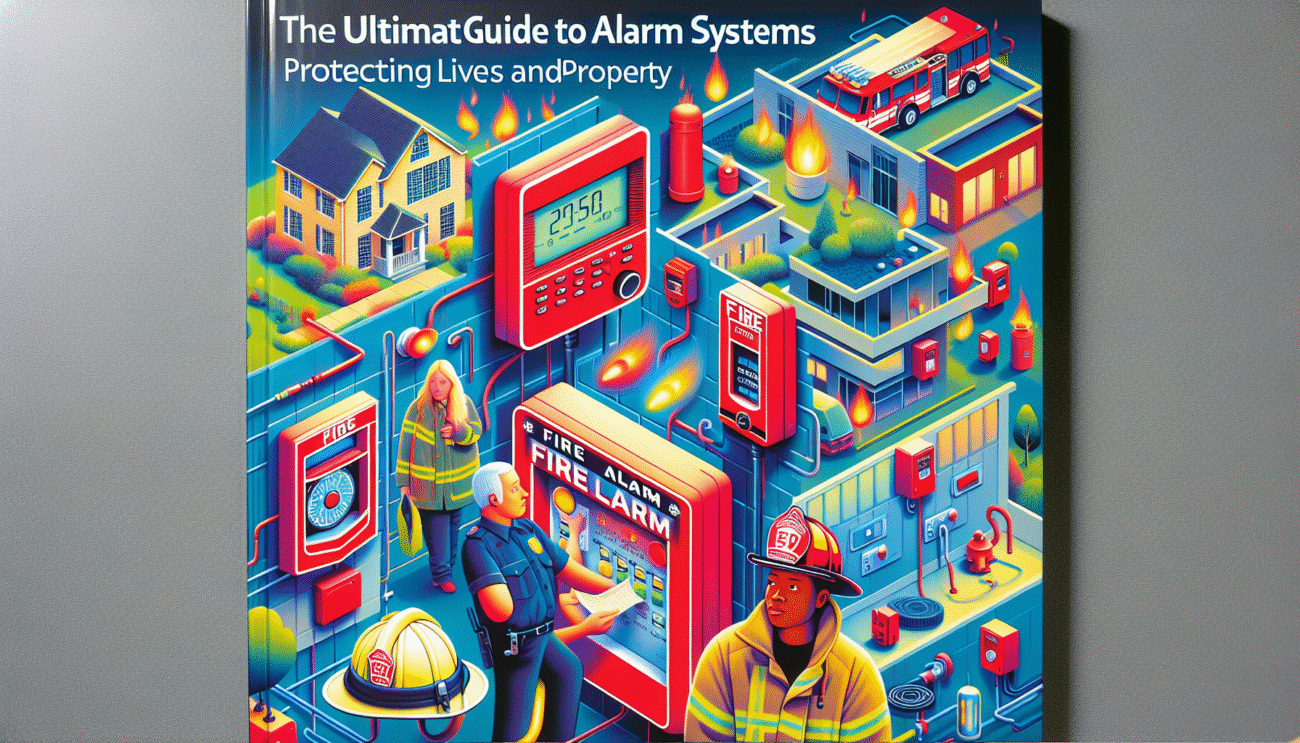
The Ultimate Guide to Fire Alarm Systems: Protecting Lives and Property


The Ultimate Guide to Fire Alarm Systems: Protecting Lives and Property


The Ultimate Guide to Fire Alarm Systems: Protecting Lives and Property

When it comes to safety, few devices are as crucial as a fire alarm. Whether in homes, offices, or public buildings, fire alarms play a vital role in alerting occupants to potential danger and helping save lives. In this comprehensive guide, we’ll explore everything you need to know about fire alarms — from how they work to why they are essential, and how to choose the best system for your needs.

What Is a Fire Alarm?

A fire alarm is an electronic system designed to detect fire or smoke and notify occupants through loud sounds, flashing lights, or both. The primary function of a fire alarm is to provide early warning, allowing people to evacuate safely and emergency responders to act promptly.

How Does a Fire Alarm Work?

Most fire alarms operate through one or more detection methods:

  • Smoke Detectors: These devices sense particles of combustion in the air. There are two main types:
    • Ionization detectors detect fast-flaming fires.
    • Photoelectric detectors are better at sensing smoldering fires.
  • Heat Detectors: These alarms trigger when the surrounding temperature rises rapidly or reaches a preset threshold.

Once the sensors detect fire or smoke, the system activates the alarm—triggering sirens and visual alerts.

Types of Fire Alarm Systems

There are several categories of fire alarms, each suited for different settings:

  1. Conventional Fire Alarm Systems: Ideal for smaller buildings, these systems divide the premises into zones and sound an alarm if smoke or heat is detected in any zone.
  2. Addressable Fire Alarm Systems: Used in larger buildings, each detector has an address, allowing precise identification of the fire’s location.
  3. Wireless Fire Alarm Systems: These alarms communicate via radio signals, offering flexible installation without extensive wiring.
  4. Manual Fire Alarm Pull Stations: Typically found in commercial buildings, these allow occupants to manually trigger the alarm.

Why Fire Alarms Are Essential

  1. Life Safety: Early detection is key to preventing injury or death during a fire.
  2. Property Protection: Quick alerts minimize damage by enabling a faster response.
  3. Compliance: Building codes and insurance policies often mandate fire alarm installations.
  4. Peace of Mind: Knowing you have an alert system reduces anxiety, especially in high-risk areas.

Fire Alarm Maintenance Tips

To ensure your fire alarm always works when you need it:

  • Test alarms monthly.
  • Replace batteries annually (or as recommended).
  • Clean smoke detectors regularly to avoid dust interference.
  • Replace alarms every 10 years.

Choosing the Right Fire Alarm for You

When selecting a fire alarm system, consider:

  • Building size and layout: Larger buildings require more sophisticated systems.
  • Occupant needs: Homes with children or elderly may benefit from alarms with voice alerts.
  • Integration with other systems: Some fire alarms connect with sprinklers, security systems, or smart home devices.
  • Budget: Prices vary widely by features and complexity.

Conclusion

A reliable fire alarm is an indispensable part of any safety plan. It not only warns you when danger strikes but also provides precious time to act. Installing and maintaining the right fire alarm system is a small investment that delivers enormous benefits in safeguarding lives and property. Don’t wait—make fire safety a priority today!

Optimize Your Safety: Install a Fire Alarm Today

For ultimate fire protection, explore the latest fire alarm options and find a certified professional to install a system tailored to your needs. Remember, in fire emergencies, every second counts!


Back to Top

Search For Products

Product has been added to your cart
Compare (0)